

Asynchronous telemedicine is a newer, fast-growing mode of healthcare delivery that gives patients a way to access medical care on their own terms, time, and location. It is poised to have a transformative impact on patient care by addressing a growing need: access to healthcare providers.
What is asynchronous telemedicine?
Also known as "store and forward," asynchronous telemedicine is the exchange of medical information between patients and providers without the need for an in-person or even live video visit. Patients transmit their history, symptoms, and other relevant information at their convenience. Providers, in turn, review those submissions and respond with a diagnosis, treatment plan, or further recommendations at a later time.
One key advantage is its ability to overcome the barriers of time and distance that so often impede access to care. In rural or underserved areas where facilities may be limited, asynchronous telemedicine lets patients consult remotely — reducing long-distance travel and the costs that come with it. It is especially valuable for patients with chronic conditions who need frequent monitoring, or those who need only occasional updates to a treatment plan.
The benefits
- Increases the efficiency of care by streamlining access to specialists and consultants.
- Eliminates appointment scheduling and reduces wait times to reach a provider.
- Lets providers review files at a time and place of their choosing, allowing them to care for more patients.
- Enables more timely, convenient communication — facilitating early intervention and management.
- Reduces the overall cost of care.
- Empowers patients to take an active role in their health with a platform to communicate, ask questions, and share information.
- Encourages active self-care and informed decision-making.
- Enhances access to health education.
Austere telemedicine?
Telemedicine — and asynchronous telemedicine in particular — represents a groundbreaking advance in healthcare delivery. Its ability to overcome time and distance, improve efficiency and outcomes, and empower patients makes it a valuable tool in the modern landscape. In the US, state and federal laws continue to evolve to reflect its growing adoption.
For patients in remote, disaster-stricken, or conflict-affected areas, the impact can be profound. The ability of an asynchronous platform to extend access to healthcare professionals in these settings remains unparalleled.
More From Field Notes
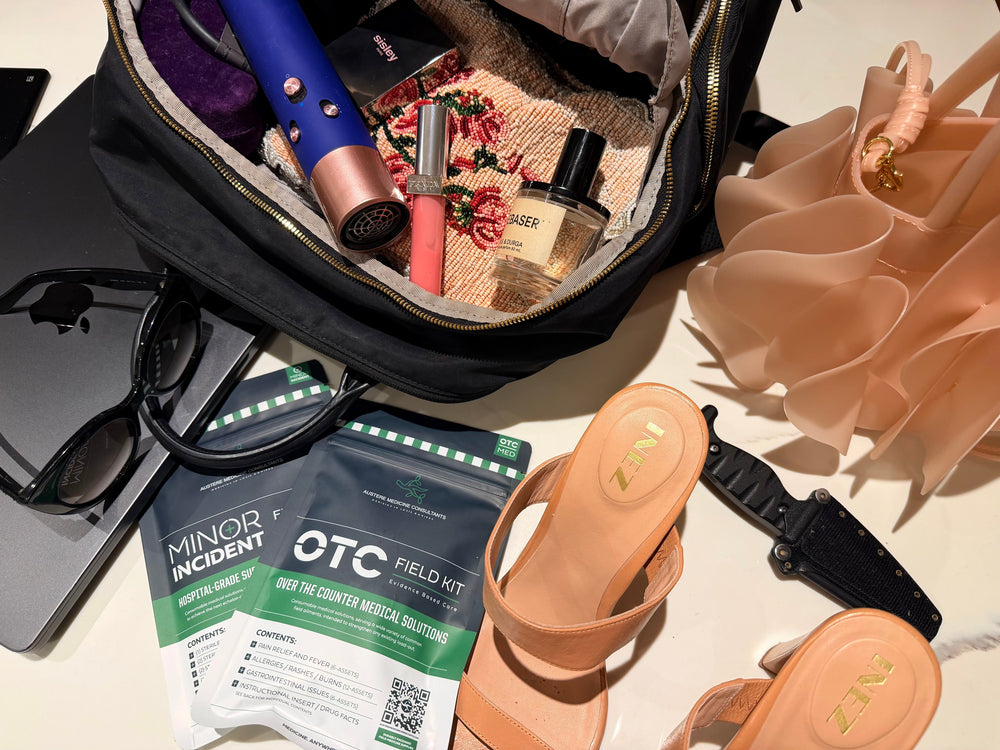
The Physician's Travel Medicine Kit List: What to Pack for Domestic, International, and Expedition Travel.
A physician's travel medicine kit list in three tiers: everyday, international, and austere. What to pack, what needs a prescription, and how to travel with it legally.
Read Article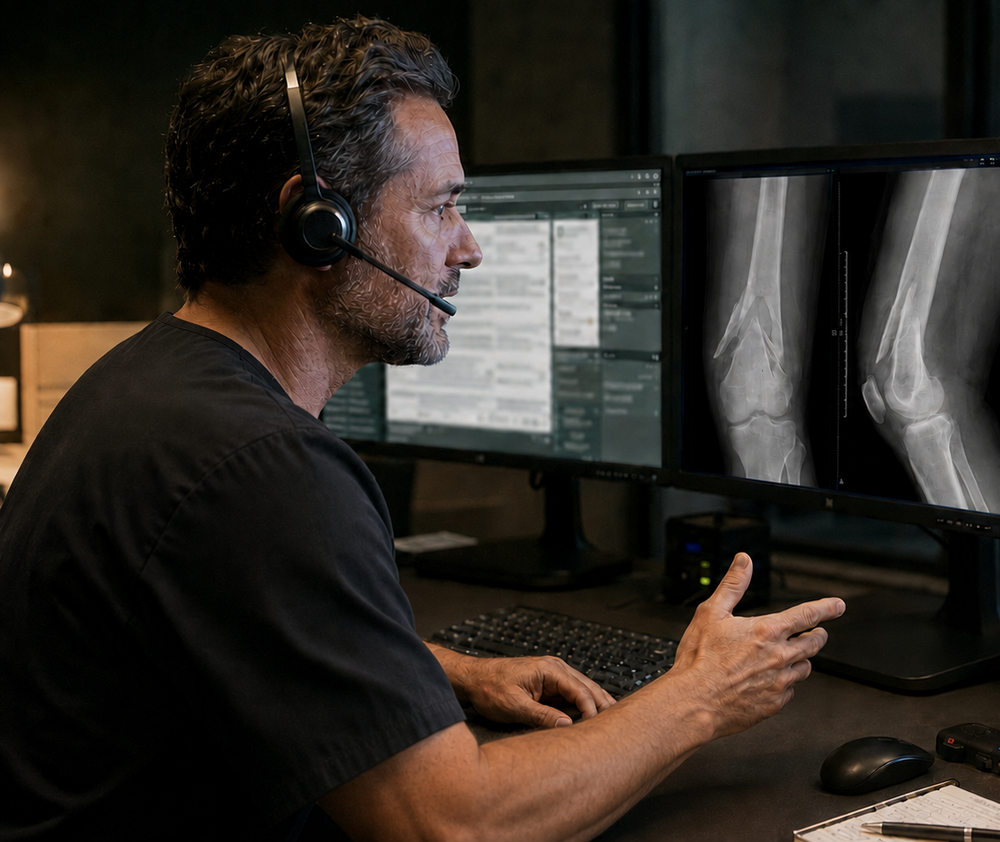
Tele-Mentorship: Extending (and maintaining) the Standard of Care
Not Medical Advice The following discussion is educational and is not medical advice. It does not imply a physician-patient relationship, nor is anything discussed herein intended to advocate for any specific medical treatment or...
Read Article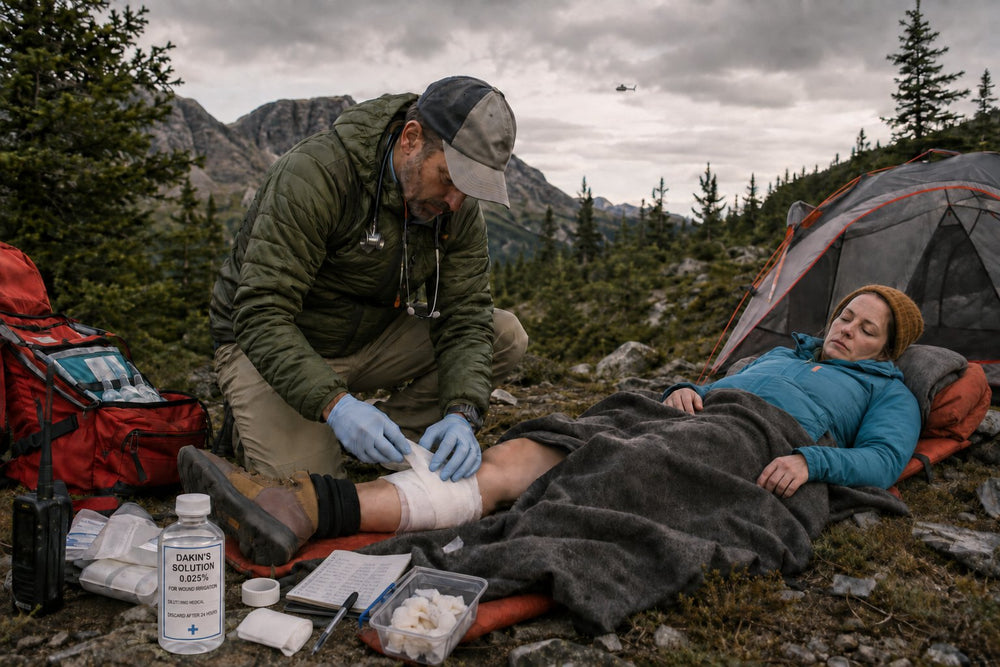
Wound Care in Austere Environments: A Framework
Cleaning, dressing, debridement, and Dakin's solution when evacuation is measured in days; a prolonged casualty care framework.
Read ArticleMedicine. Anywhere.
Austere Medicine Consultants brings hospital expertise and capability to the field. Explore physician-built kits engineered for the moments that matter.
Shop the Kits