


Citizens of the United States are resilient and remarkably effective when united in purpose and camaraderie. They have come through two wars on the continent, several abroad, decades of domestic turbulence, terrorist attacks, financial crises, and two pandemics. Self-reliance, care for one's neighbor, ingenuity, and adaptability in adversity are woven into the American ethos. The concept of preparedness traces back to the continent's earliest people, who endured long, bleak winters — and to generations of American families who secured food, shelter, fuel, and clothing, and relied on their communities, to see the nation through Reconstruction, the 1918 influenza, the Great Depression, World War II, and the COVID pandemic. It will carry us through future hardships too.
Since 2019, this latent American skill set has surged — driven by supply-chain shortages, the pandemic, and civil unrest. By one measure, revenue attributed to civilian preparedness rose more than 300% from 2019 to 2024, with over 45% of Americans now spending on some form of preparedness, accounting for more than $11 billion annually.
What does it mean to be prepared?
"Preparedness" means something different to every person, culture, and organization. An Appalachian Trail through-hiker, a subsistence farmer, a kindergarten teacher, and a startup CEO would each answer the question differently. Here we explore an elevated concept of preparedness through the lens of our civilian community.
We refer to our civilian customers as Professional Prepared Citizens. They take the initiative to seek out experiences that build their mindset, skillset, and competence — no one does it for them. They are not armed vigilantes or zealots beholden to ideology. The concept embodies intelligence, confidence, competence, and benevolence. They understand that preparedness is not about hoarding supplies, but about having the knowledge and capability to sustain their families, friends, and neighborhoods after a disaster — and the sense of community to do that work safely.

How to develop your journey
- Water is king. Learn to source, process, purify, and distribute water at scale. A person needs at least 3–5 gallons of fresh, potable water per day for drinking and basic hand-washing — far more once you account for cooking, sanitation, laundry, bathing, and caring for the sick or injured. Keep as much ready-to-use "step-off" water as you can while you ramp up your production capability.
- Community is queen. Get to know your neighbors and your community now. Your park district, place of worship, school, or recreation center is a great place to start. The connections you build today pay dividends when disaster strikes — it will be far too late to organize after the fact.
- Sanitation. Learn the systems in your home, especially the sewer or septic system. Does your home have a sewer shut-off valve — and why would you need one? If you lose water and power, where will you and your neighbors use the bathroom? Note where heavy rainfall runoff goes. Thinking about sanitation at scale now can spare you stress and potentially lethal infections later.
- Get clinical. Invest in medical training. For those with no prior experience, a Red Cross First Aid course is a good place to begin; Stop the Bleed, CPR, or even EMT certification may save a life when systems are overloaded. If you already work in healthcare or hold a license, consider how to leverage those skills in an austere environment. We provide services to assess medical threats in your area and design and deliver scalable medical capability — from people with no training to the highest level of licensure.
- Invest in yourself. Love yourself. Exercise. Eat well. Stay hydrated. Get help with addiction or self-destructive habits. Socialize. Commit to lifelong learning. Get regular medical care. Explore your spirituality. Kill your ego. You can't be an asset to your friends and family if you don't take care of yourself first.

References
- CANA Provisions. Water Plan Worksheet, Step 1. Accessed July 18, 2026.
- CANA Provisions, Spiritus Systems. Bucket filtration system [video]. YouTube. Accessed July 18, 2026.
- US Department of the Army. Military Sanitation and First Aid. FM 21-10. US Department of the Army.
- American Red Cross. First aid training. Accessed July 18, 2026.
- Iserson KV. Improvised Medicine: Providing Care in Extreme Environments. 2nd ed. McGraw-Hill Education; 2016.
- Austere Medicine Consultants. Medical Threat Assessment & Consulting. Accessed July 18, 2026.
More From Field Notes
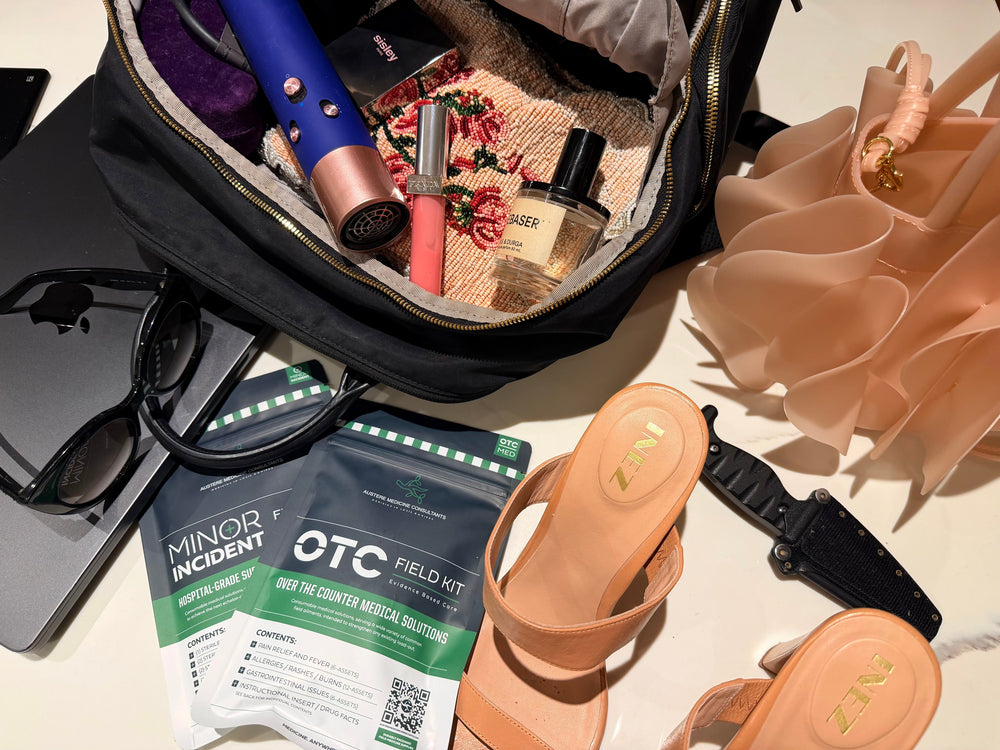
The Physician's Travel Medicine Kit List: What to Pack for Domestic, International, and Expedition Travel.
A physician's travel medicine kit list in three tiers: everyday, international, and austere. What to pack, what needs a prescription, and how to travel with it legally.
Read Article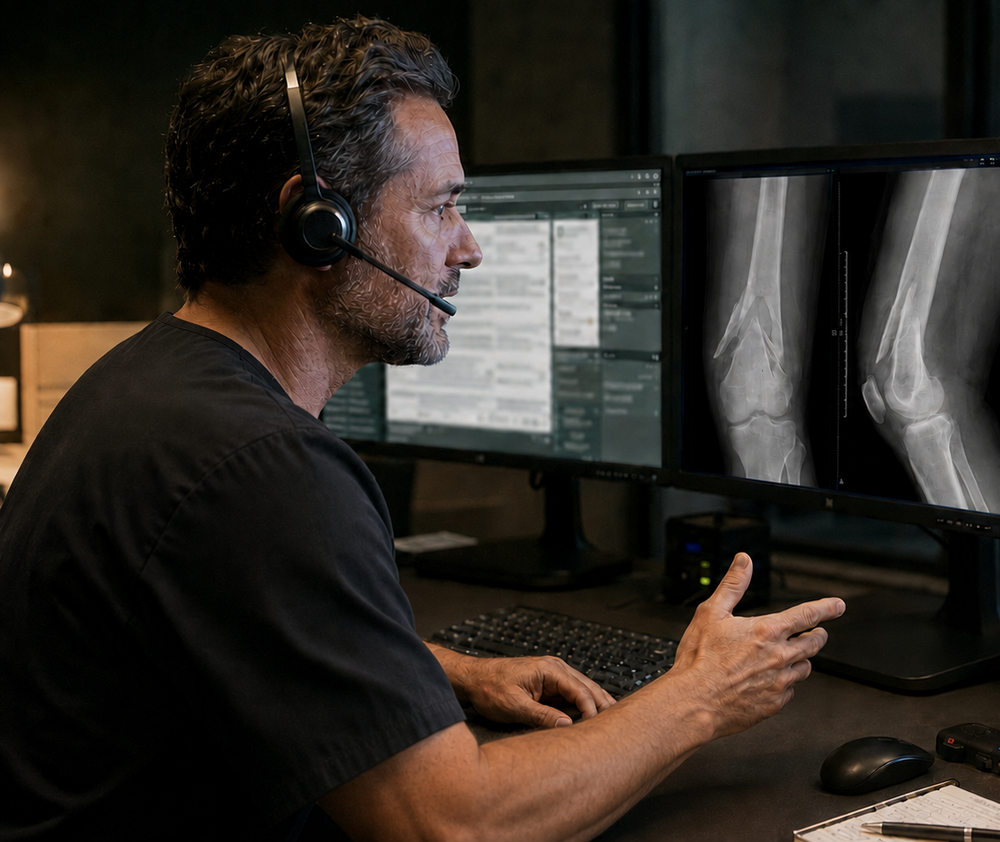
Tele-Mentorship: Extending (and maintaining) the Standard of Care
Not Medical Advice The following discussion is educational and is not medical advice. It does not imply a physician-patient relationship, nor is anything discussed herein intended to advocate for any specific medical treatment or...
Read Article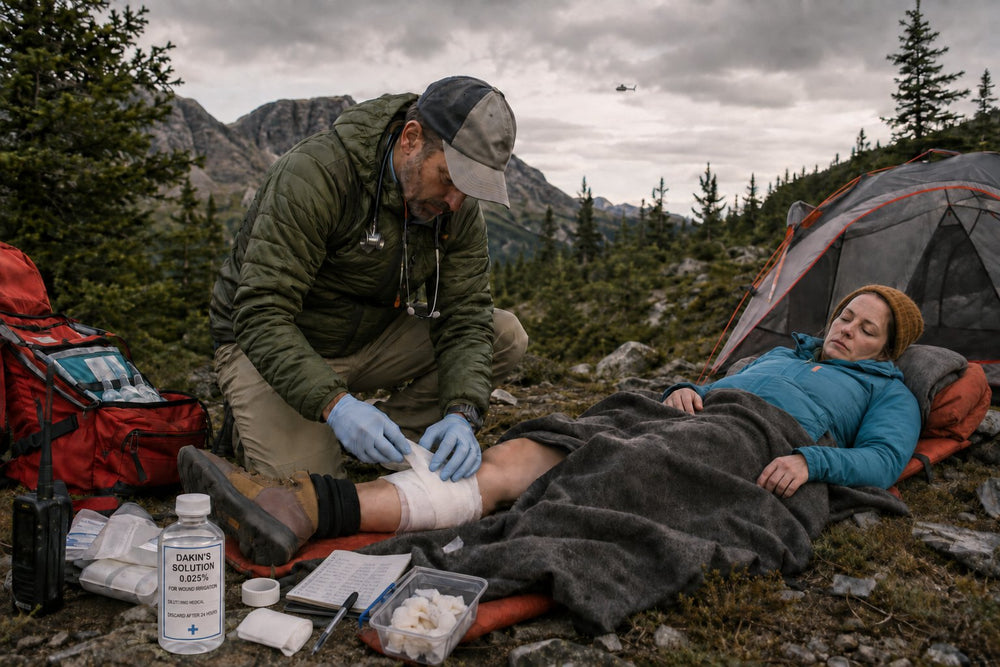
Wound Care in Austere Environments: A Framework
Cleaning, dressing, debridement, and Dakin's solution when evacuation is measured in days; a prolonged casualty care framework.
Read ArticleMedicine. Anywhere.
Austere Medicine Consultants brings hospital expertise and capability to the field. Explore physician-built kits engineered for the moments that matter.
Shop the Kits