


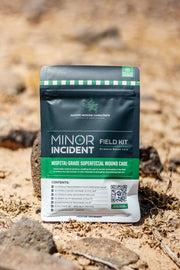
Minor Incident Field Kit (MIFK)
Consumable medical solutions that keep you serviceable in the field while you secure a wound and reach the next echelon of care.
- Physician-curated superficial wound-care system.
- Hospital-grade sterile dressings, gauze, and tapes.
- Fills the gap between a “boo-boo” kit and an IFAK.
- Splinter Out™ Lancets for foreign-body removal.
- Durable, resealable pouch with instructional insert.
Indicated for: cuts, lacerations, gashes, tears, and abrasions. This is not medical advice and the kit is not for major, deep, or heavily bleeding wounds — see “When should I seek medical care?” below.
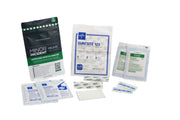
What’s Included
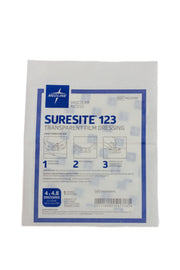
- (1) Sterile Transparent Film Dressing — 4″ × 4.8″.
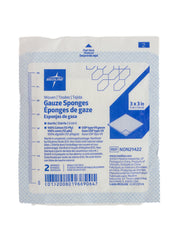
- (2) Sterile gauze sponge — 12-ply, 3″ × 3″.
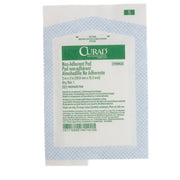
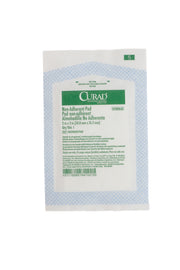
- (2) Sterile Non-Adherent Pad — 2″ × 3″.
- (2) Heavy-Duty Bandage — 0.75″ × .75″.
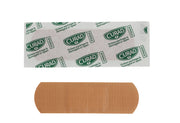
- (2) Waterproof Bandage — 1″ × 3.25″.
- (1) Silk Tape — 36″, specialty packed.
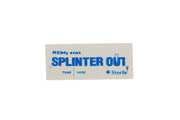
- (2) Splinter Out™ Lancet.
- Resealable mylar pouch and instructional/suggested-use insert.
Superficial wounds and field wound care
Secure the Wound, Stay Serviceable
Cuts, scrapes, and minor lacerations are common in the field and are usually an inconvenience rather than an emergency. The goal is simple: Clean and protect the wound so you can keep moving and reach the next echelon of care.
Irrigation Comes First
The medical literature supports irrigation with copious clean water — U.S. tap water, sterile saline, or properly filtered and purified field water. A jet or stream of water helps flush debris. For minor wounds, studies show infection rates after thorough irrigation are comparable to routine use of topical antibiotic ointment.
Cover, Keep Clean and Moist
A good dressing protects the wound and supports healing — keeping it clean and moist, but not wet. Change the dressing daily and whenever it becomes soiled, and clean with purified water as needed.
About Topical Antibiotics
Over-the-counter triple antibiotic ointment is generally safe but is often unnecessary for a well-irrigated minor wound. Serious allergic reactions are rare; people with a penicillin allergy may be more likely to react. When in doubt, talk to your own physician before use.
This information is educational. It is not medical advice and does not establish a physician-patient relationship. For large, deep, or worsening wounds, seek immediate care.
How to use the Minor Incident Field Kit
A quick overview of how the kit is used in the field. Full directions are on the included insert.
Wash or Sanitize
Wash or sanitize your hands before handling the wound to reduce the chance of introducing contamination.
Clean and Irrigate
Clean the wound with purified water or reliable U.S. tap water. When possible, irrigate with a jet or stream of water to flush out dirt and debris.
Cover the Wound
Choose the appropriate dressing for the wound — film dressing, non-adherent pad, gauze, or bandage — secure it with the silk tape, and keep it clean.
Change Daily
Change each dressing daily and whenever it gets dirty. Keep the wound clean and moist, but not wet, until you reach definitive care.
Seek medical care as soon as possible if there is a foreign object embedded in the wound; the wound is from an animal bite or a dirty puncture; there are signs of infection (pain, swelling, redness, drainage, or fever) or sepsis (confusion, shortness of breath, fast heart rate, chills, clammy skin); or if you may need a tetanus booster.
Watch the Minor Incident Field Kit in the field
- What’s inside the Minor Incident Field Kit.
- How to irrigate and clean a superficial wound.
- Choosing and applying the right dressing.
- When to seek medical care.
Who the Minor Incident Field Kit is for
If your day can leave you with a cut, scrape, or laceration far from a clinic, this kit belongs in your bag. It’s built for the people who work, train, and travel where minor wounds happen and definitive care is not next door — and anyone who wants to handle a minor wound competently, anywhere.
Why preparedness matters
Minor wounds don’t schedule themselves. A cut on the trail, a gash at the work site, a scrape miles from the trailhead — the time to deal with it is the moment it happens.
The people who handle it well aren’t lucky — they’re prepared. They cleaned and covered the wound early because the kit was already in the pack. Stock the Minor Incident Field Kit before the trip, before the season, before you step off.
Add to Cart — $17.99What’s inside the kit
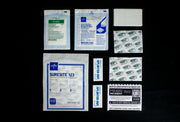
| 1× | Sterile Transparent Film Dressing 4″ × 4.8″ — breathable, waterproof cover that seals a wound while letting you keep an eye on it. |
| 2× | Sterile Gauze Sponge (12-Ply) 3″ × 3″ — for cleaning, absorbing, and padding the wound. |
| 2× | Sterile Non-Adherent Pad 2″ × 3″ — covers the wound without sticking to it, for easier dressing changes. |
| 2× | Heavy-Duty Bandage 0.75″ × .75″ — durable adhesive bandage for small wounds. |
| 2× | Waterproof Bandage 1″ × 3.25″ — flexible, water-resistant cover for active use. |
| 1× | Silk Tape 36″, specialty packed — secures dressings and gauze in place. |
| 2× | Splinter Out™ Lancet Sterile lancet for removing splinters and small foreign objects. |
| 1× | Instructional Insert and Resealable Pouch Suggested-use guide and “seek care” reference in a durable, resealable mylar pouch. |
Use: cuts · lacerations · gashes · tears and abrasions · Size: approx. 5″ × 8″ × 0.25″ · Weight: approx. 1.9 oz · Durably packaged.
Why we created the MIFK
We are physicians who practice where the hospital isn’t. We’ve seen how a small, poorly managed wound can sideline a crew, end a trip, or turn into an infection far from help. Most kits are either a box of cartoon bandages or a full trauma IFAK. We wanted the piece in between — hospital-grade supplies for superficial wounds, small enough to throw in a bag and good enough to trust.
So we built the kit we’d carry ourselves, with input from Special Forces and Ranger medics: The evidence-based steps for cleaning and covering a wound, distilled into one durable package. That’s who we build for — the person who refuses to be a liability and shows up prepared. If that’s you, you already belong here.
Field Reports from Our Customers
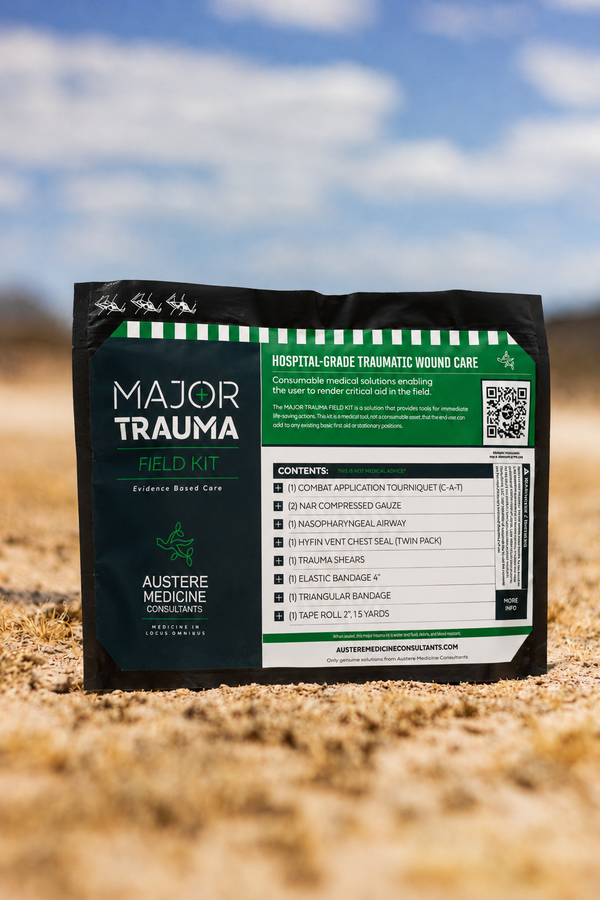
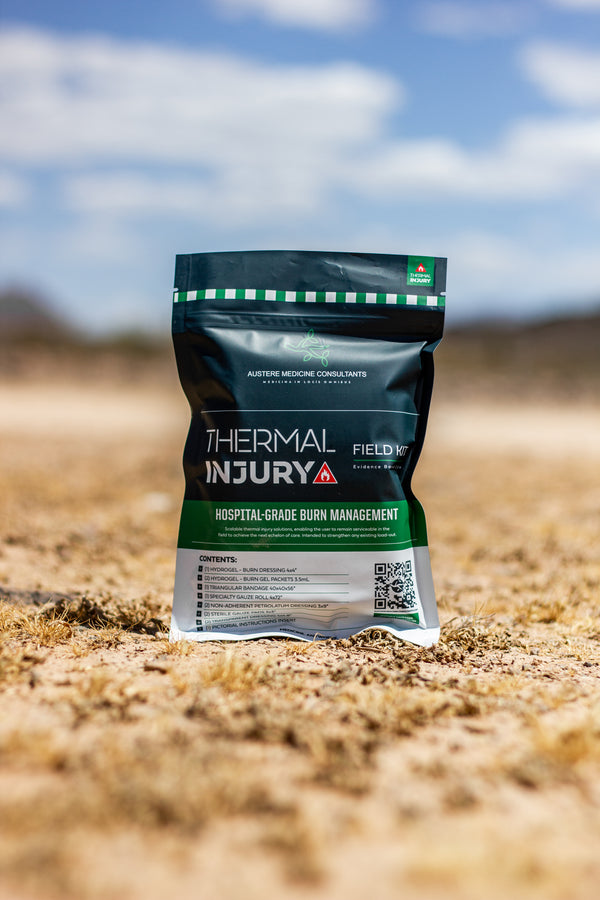
Explore our other Field Kits
Frequently asked questions — MIFK
What is the MIFK for?
How should I clean a wound in the field?
Do I need antibiotic ointment?
I have a penicillin allergy — anything to know?
Is this an IFAK or a trauma kit?
When should I seek medical care?
How should I keep the wound covered?
Do I need a prescription?
What’s included, and what does it cost?
Gear Is Half the Equation
We can’t all be neurosurgeons — but everyone can get quality First Aid and Stop the Bleed training. Pair your kit with the skills to use it.
The American Red Cross and ACS Stop the Bleed are independent organizations and are not affiliated with us.
Stay serviceable in the field
The Minor Incident Field Kit turns a minor wound into a non-event — physician-curated, hospital-grade, and built to ride in your pack.
Whether you’re on a work site, a trail, or a flight, it gives you the clean-and-cover capability a basic first-aid kit doesn’t. Pack it before you go.
Single option · No prescription required · Ships within 2 business days